CJC-1295 Research: What Was Actually Tested
The Short Version: Hormone Rises Leave Benefits Uncertain
CJC-1295 asks the body to release growth hormone rather than supplying the hormone itself. This page separates what people experienced from animal findings and lab estimates.
A review describes changes in cells of the growth hormone gland beneath the brain [12]. Those cells make and release their own hormone; the compound doesn't supply growth hormone itself.
Sermorelin and tesamorelin are separate compounds that also prompt growth hormone release. You may hear those names when your doctor explains possible choices.
CJC-1295 has four changed amino acids, which join together to form proteins. The change at position 2 helps protect CJC-1295; half the sermorelin leaves blood in about 10–12 minutes [15].
The estimate for CJC-1295 without DAC is about 30 minutes for half to leave blood. That timing comes from lab work; DAC is a separate added part that lets a blood protein attach and slow removal [3].
Time in blood isn't a test of how much better you might feel. Studies would need to compare benefits and problems in people to answer that.
Human CJC-1295 trials haven't shown a direct rise in testosterone, a sex hormone [19]. Teichman 2006 and Ionescu 2006 measured growth-related hormones, so their results don't tell you whether your testosterone would change, even if a claim suggests that it might.
The Human Follow-Up Ended Before Lasting Safety Was Known
Two published human studies compared CJC-1295 with a placebo, a shot without the compound. Volunteers and staff didn't know which shot each person received.
Teichman's 2006 study followed healthy adults for no more than 49 days [1]. Study amounts were 30, 60, 90, and 125 micrograms per kilogram, based on weight; a gram contains a million micrograms.
With CJC-1295, growth hormone rose 2- to 10-fold and remained raised at least six days. A liver hormone related to growth also stayed raised, with that rise lasting nine to eleven days.
No serious reactions were reported while the volunteers were being followed. You can't infer safety over years from that brief period without serious trouble.
Ionescu and Frohman's 2006 study examined the gland's usual bursts of hormone release [2]. With 60 and 90 micrograms per kilogram, growth hormone levels were higher by an average of 46%.
The level between bursts rose, while each burst kept its timing and size. Growth hormone shots can reduce the gland's own release, so the two actions differ.
The two studies together involved 24 people, with 49 days the longest follow-up. Published human safety testing doesn't reach beyond 3 months, and no published human study measures how the shorter-lasting form leaves blood.
One CJC-1295 mouse study lasted five weeks and involved mice missing the hormone that prompts growth hormone release [4]. With 2 micrograms per day, their weight and shinbone length reached normal levels.
Tests also found normal amounts of the material cells use to make growth hormone. That finding concerned hormone production in mice; it wasn't a test of their strength.
Less frequent shots partly helped the mice, without fully restoring normal growth. Mouse growth can't tell you whether treatment would ease your own health problem.
The human blood-test changes appeared within two to six hours after a shot. Muscle and fat changes in rats and mice appeared after four to eight weeks.
CJC-1295 hasn't established those muscle and fat changes in people. Tesamorelin, a different compound, reduced deep belly fat after six months [9].
I'd ask which change your doctor would count as useful in your daily life. You can also ask how many visits and blood tests proposed care would involve, what changes would count as useful in your daily life, and what the full cost would be.
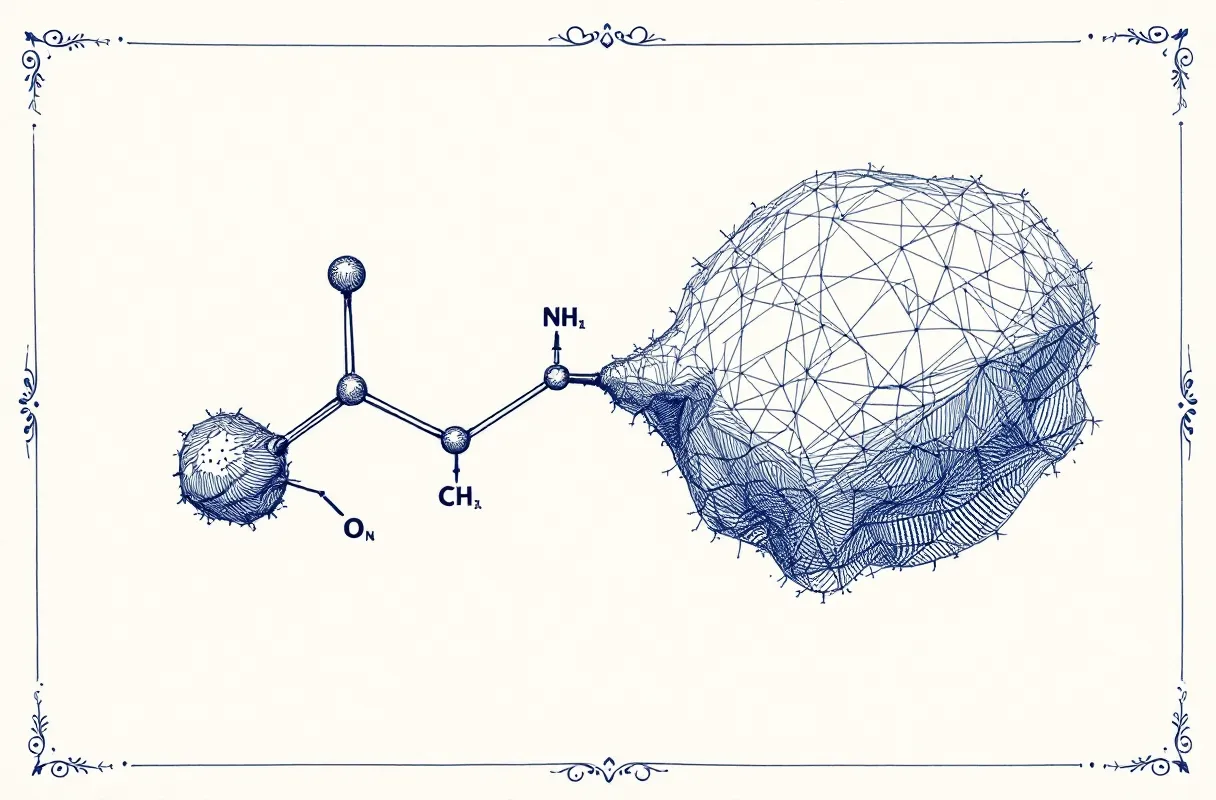
CJC-1295 with DAC Becomes a Larger Pair in Blood
Albumin, one of the proteins in blood, carries many substances; CJC-1295 with DAC can attach to that protein. The protein makes the attached compound much larger than the compound on its own.
Labs give that pair a weight of about 70 kilodaltons, units much smaller than a gram. The pair is large enough to keep your kidneys from removing the compound quickly.
Attachment also helps prevent the body from breaking CJC-1295 apart. Teichman's 2006 human study found half the joined compound took several days to leave blood [1].
Jetté's 2005 study involved rats, so the rats' response may differ from yours. Over two hours, the joined compound caused 4-fold more total growth hormone release than the unjoined compound [3].
The researchers could still find the joined compound in the rats' blood after 72 hours. DAC added protection beyond the four amino acid changes shared by both forms.
Ionescu's 2006 study found the body's usual growth hormone bursts still continuing [2]. The level between those bursts was higher, rather than the gland stopping its bursts.
Ask your doctor what a hormone claim actually measured: each burst or the level between bursts. A longer rise doesn't prove that your strength, sleep, or health would improve.
Mod GRF 1-29 Names the CJC-1295 Form Without DAC
Mod GRF 1-29 is the name for CJC-1295 without the added DAC part. 'Modified GRF 1-29' and 'CJC-1295 no DAC' also mean that shorter-lasting form.
Four amino acids, the parts joined together to form proteins, have been changed in this compound. Those changes slow breakdown, but there's no DAC attachment to a blood protein.
Its estimated time in blood comes from lab work, leaving the timing in people unmeasured. Half is expected to leave within about 30 minutes [15].
Without the added part, the kidneys can remove CJC-1295 more readily. The compound can also break apart sooner than the form with DAC.
The shorter stay is expected to produce a brief growth hormone burst that fades within about an hour. That remains an expectation, rather than a measured response you can count on.
The roughly 30-minute estimate rests on the compound's structure and tests in a dish [3][15]. You can ask whether a claim about this form uses lab estimates or measurements in people.
CJC-1295 and Sermorelin Lack a Direct Test of Benefits
No human trial has directly compared health benefits from sermorelin and CJC-1295. A longer stay in blood doesn't show which would help your concern more.
Sermorelin is another compound that prompts the gland beneath the brain to release growth hormone. Half leaves blood in about 10–12 minutes, while four changed protein parts help protect CJC-1295.
A change at position 2 protects a part that would otherwise break down quickly. That helps explain the lab estimate of about 30 minutes for CJC-1295 without DAC [15].
Researchers use more frequent shots for shorter-lasting compounds and fewer for longer-lasting forms. Those CJC-1295 choices don't establish a schedule for your care.
Both compounds act on the gland's growth hormone cells. Neither sermorelin nor CJC-1295 directly acts on the cells that control sex hormones.
Sermorelin was once FDA approved and later taken off the market for reasons unrelated to safety. CJC-1295 hasn't received FDA approval, despite the shared action on growth hormone.
If either name comes up at your visit, ask which benefit has been tested in people. You can ask what follow-up, time, and costs a proposed course would involve.
CJC-1295 Trials Didn’t Answer Questions About Testosterone
The human CJC-1295 trials didn't measure testosterone, so a rise hasn't been shown. Teichman 2006 and Ionescu 2006 measured growth hormone and a related liver hormone instead [19].
CJC-1295 acts directly on the cells that make growth hormone. CJC-1295 doesn't directly act on cells involved in sex hormone release.
Researchers have suggested an indirect effect on cells that make testosterone. No CJC-1295 study comparing treated volunteers with an untreated group has confirmed that idea.
At your visit, ask whether a claim rests on actual testosterone measurements. Researchers' explanation alone doesn't establish how your testosterone would change.
CJC-1295 Pills Lack Evidence That the Compound Reaches Blood
Published studies used shots, leaving swallowed CJC-1295 without proof that it reaches blood and works [17]. Its weight is about 3,647 daltons, tiny units used for protein parts rather than anything your kitchen scale could weigh.
Your stomach and intestines break compounds of this size apart during digestion. Findings from shots in people, rats, and mice can't establish that pills work.
A blood protein can attach to the DAC form after a shot, making a larger pair. That pair weighs about 70 kilodaltons, units far smaller than a gram, and is harder for the kidneys to clear.
The added protection begins in blood, so it doesn't prevent breakdown inside your stomach. A shot gets CJC-1295 into blood without taking that route through digestion.
Lab work estimates about 30 minutes for half the shorter-lasting form to leave blood. That timing hasn't had published human testing, leaving how quickly you'd clear the compound unmeasured.
CJC-1295 Prompts Production While Growth Hormone Shots Supply Hormone
A direct human trial hasn't compared CJC-1295 benefits with growth hormone shots. Researchers can explain different actions, but can't say which would work better for you.
CJC-1295 prompts the gland beneath your brain to make its own growth hormone. The usual bursts continue, and the body can still tell the gland to slow production when enough hormone is present [2].
Published trials haven't reported reduced growth hormone after testing ended [18]. Short CJC-1295 follow-up doesn't establish how your hormone levels would behave after prolonged use.
Growth hormone shots add the hormone directly and can reduce the gland's own production. Some uses of those shots have approval; CJC-1295 hasn't received approval for any use.
If both approaches are discussed, ask what change each is meant to make. Your doctor can explain which blood tests and health checks would follow that change.